WASHINGTON/DUBAI: The fragile ceasefire between the United States and Iran is facing a critical test after Washington imposed a sweeping naval blockade on Iranian ports, raising fears of renewed escalation in the ongoing US-Iran War.
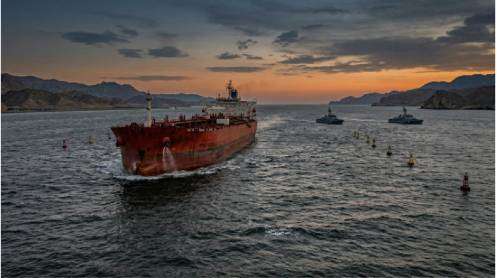
The move, enforced by US Central Command, targets all maritime traffic entering or leaving Iranian ports in the Persian Gulf and the Gulf of Oman. While neutral vessels not linked to Iran are allowed passage, the blockade has sharply heightened tensions across the region.
Iran swiftly condemned the action, warning that the presence of foreign military vessels in the Strait of Hormuz would be viewed as a violation of the ceasefire and could put all regional ports at risk. Iranian officials described the US restrictions as “akin to piracy” and cautioned that any escalation could destabilise global energy security.
US President Donald Trump defended the blockade, claiming Iran’s naval capacity had been significantly weakened and warning of swift military action against any perceived threats. He reiterated that Washington would not agree to any deal allowing Tehran to develop nuclear weapons, though he indicated that Iran had shown interest in resuming negotiations.
The blockade has drawn limited international support. Israel endorsed the move, while key NATO allies signalled opposition. France and United Kingdom declined to participate, instead proposing a future multinational mission to secure navigation once hostilities subside. French President Emmanuel Macron announced plans for a defensive maritime initiative to stabilise the waterway.
Regional stakeholders also expressed concern. Turkiye warned against unilateral measures affecting transit through the strait, while Iran reiterated that any foreign military intervention would intensify instability.
Since the conflict began in late February, Iran has effectively restricted access to the Strait, asserting control over transit and warning of retaliation against perceived aggression. The International Maritime Organization emphasised that no country can lawfully block freedom of navigation through international transit routes.
Meanwhile, diplomatic efforts continue to prevent a breakdown of the ceasefire. Wang Yi described the truce as “very fragile” and urged all parties to avoid actions that could reignite hostilities. In parallel, ASEAN foreign ministers called on both sides to sustain dialogue and work towards a lasting resolution.
With only days remaining before the ceasefire deadline, global powers are racing to contain the crisis, as the Hormuz blockade threatens to derail diplomatic progress and trigger wider regional instability.
By Agencies